מירית בן נון בין פנטזיה, זהות ודימוי Henri is Back in Town
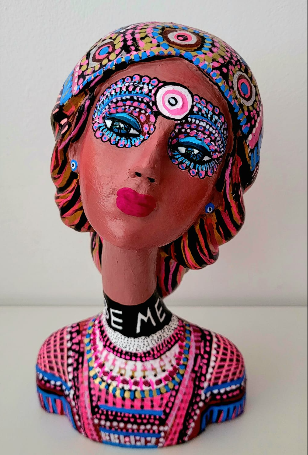
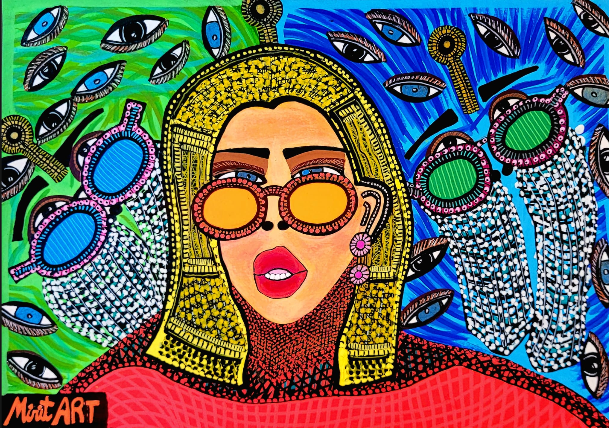
בעולם האמנות העכשווית, שבו שאלות של זהות, מגדר ודימוי עצמי נבחנות ללא הרף, מציבה מירית בן נון קול ייחודי, בלתי מתנצל וטעון רגשית. יצירתה אינה רק אסתטית או דקורטיבית, אלא זירה מורכבת שבה מתקיימים יחד עונג, ביקורת, פנטזיה והתבוננות חדה במציאות התרבותית.
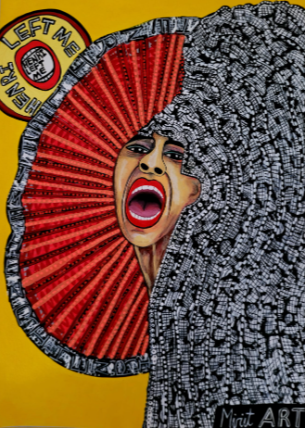
הסדרה Henri is Back in Town מסמנת תפנית מסקרנת בשפתה האמנותית. לאחר שנים שבהן התמקדו עבודותיה בדמויות נשיות חזקות, אלגנטיות ומודעות לעצמן – נשים שהן בו זמנית מודל לחיקוי ואלטר-אגו אישי – פורץ לפתע אל תוך המרחב הציורי דמותו של הנרי. הוא אינו עונה לאידיאל היופי המקובל: גבר מבוגר, שחור, מעט כבד גוף, לבוש בפשטות ואף ברישול. דווקא דרך חריגותו, הוא מערער את הסדר האסתטי והערכי שהתקבע ביצירתה.
הנרי אינו רק דמות, אלא מנגנון. הוא מגלם את המתח שבין הפנטזיה למציאות, בין הדימוי המושלם לבין הגוף האנושי כפי שהוא. נוכחותו לצד הדמויות הנשיות
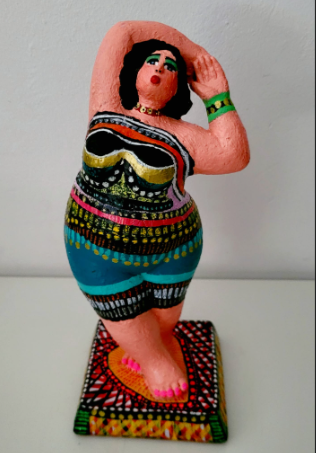
ברגעים של קרבה, ריקוד ואינטימיות – מעלה שאלות פתוחות: האם מדובר בקשר אמיתי, או בהשלכה פנימית? האם הוא שותף, או מראה?
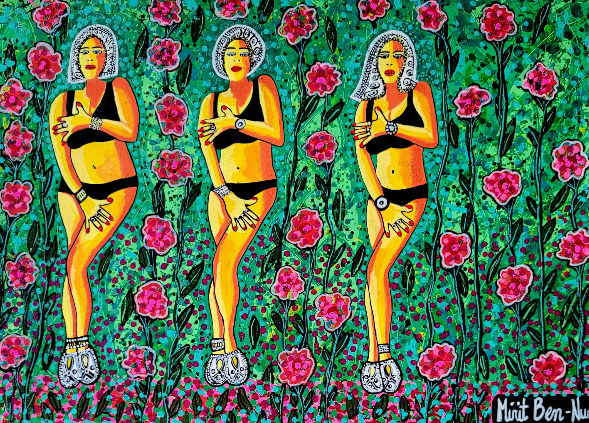
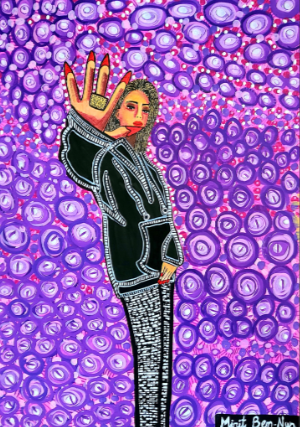
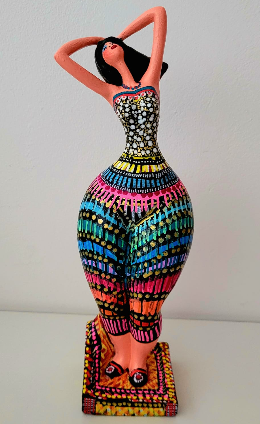
העבודה של בן נון מתרחשת בתוך שגרה כמעט טקסית. שולחן המטבח הופך לסטודיו, והחומרים מרקרים אקריליים, עפרונות שמן, גיליונות נייר בגודל A3 הם כלים לבניית עולם צפוף, רווי פרטים. הרישום האינטנסיבי, החזרתי והאובססיבי כמעט, יוצר מרקמים דקורטיביים עשירים שמכסים את המשטח כולו. בתוך הרשת הזו, הדמויות מתגלות כמו מתוך חלום צבעוני נוצצות, מלאות חיים, אך גם לכודות במערכת של קודים חזותיים.
יש בעבודתה שילוב מרתק בין שפע חזותי כמעט מענג לבין ביקורת חדה על תרבות הצריכה והדימוי. מצעד הדמויות מזכיר עולם של מסכים TikTok ו-Instagram שבו הכל מיידי, זוהר ומוקצן. בן נון מאמצת את האסתטיקה הזו אך גם מנחיכה אותה, חושפת את הריקנות שמאחורי הפוזה.
הנשים שלה אינן קורבנות של המבט, אלא שחקניות פעילות בתוכו. הן מתריסות, חוגגות את עצמן, ולעיתים אף שובבות עד כדי פרובוקציה. הן מביטות חזרה, מערערות, מזמינות קריאה כפולה. בתוך ההקשר הזה, הנרי הופך לגורם שמפר את האיזון הוא אינו אובייקט תשוקה קלאסי, אלא נוכחות שמכניסה מורכבות, אי-נוחות ולעיתים גם הומור.
שם הסדרה, Henri is Back in Town, נושא עמו הדהוד תרבותי כמעט קולנועי, כמו ציטוט ממערבון ישן. אך כאן, ה”חזרה לעיר” היא חזרה פנימית הופעתה של דמות צל, אולי חלק מהתודעה, אולי תגובה לעולם האמנות הממוסד. בן נון אינה מתעלמת מהשוליים שבהם היא פועלת; להפך, היא מנסחת דרכם עמדה. דרך עבודות טקסט נלוות, היא מנהלת דיאלוג ישיר, לעיתים ביקורתי, עם הממסד האמנותי, שבוחר להתעלם מהדקורטיביות שלה אך אינו מצליח להשתיק את הקול הברור והעקבי שלה.
בסופו של דבר, יצירתה של מירית בן נון אינה מבקשת פתרונות, אלא מציעה מרחב. מרחב שבו אפשר לשאול, להתבונן, להתבלבל ואולי גם ליהנות מהיופי עצמו, בלי לוותר על המבט הביקורתי. הנרי, כמו שאר הדמויות, הוא חלק ממשחק מורכב בין אמת לבדיה משחק שבו הצופה מוזמן להשתתף, ולא רק לצפות
Mirith Ben Nun Between Fantasy, Identity, and Image: “Henri is Back in Town”
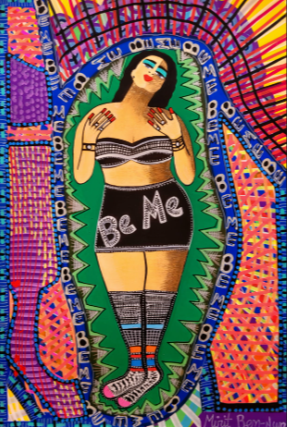
In the landscape of contemporary art, where questions of identity, gender, and self-image are constantly being reexamined, Mirith Ben Nun presents a distinctive, unapologetic, and emotionally charged voice. Her work is not merely aesthetic or decorative, but rather a complex arena where pleasure, critique, fantasy, and sharp cultural observation coexist.
The series Henri is Back in Town marks a compelling shift in her artistic language. After years of focusing on powerful, elegant, and self-aware female figures women who function both as aspirational icons and as personal alter egos the figure of Henri suddenly enters her pictorial space. He does not conform to conventional ideals of beauty: an older Black man, somewhat overweight, dressed simply and even carelessly. Precisely through this divergence, he disrupts the established aesthetic and conceptual order of her work.
Henri is not merely a character, but a mechanism. He embodies the tension between fantasy and reality, between the perfected image and the human body as it truly is. His presence alongside the female figures — in moments of closeness, dancing, and intimate gestures raises open-ended questions: is this a genuine relationship, or an internal projection? Is he a partner, or a mirror?
Ben Nun’s practice unfolds within an almost ritualistic routine. The kitchen table becomes a studio, and her materials acrylic markers, oil pencils, and A3 sheets serve as tools for constructing a dense, richly detailed world. Her repetitive, obsessive mark-making generates intricate decorative patterns that cover the entire surface. Within this network, the figures emerge as if מתוך a vivid, colorful dream radiant, alive, yet also entangled in a system of visual codes.
Her work offers a fascinating fusion of visual abundance and critical commentary on consumer culture and image-making. The procession of figures evokes a world shaped by screens such as TikTok and Instagram, where everything is immediate, glamorous, and exaggerated. Ben Nun adopts this aesthetic while simultaneously parodying it, exposing the emptiness behind the pose.
Her women are not passive subjects of the gaze but active agents within it. They are defiant, self-celebratory, and at times provocatively playful. They return the gaze, challenge it, and invite layered interpretations. Within this context, Henri becomes a destabilizing force not a conventional object of desire, but a presence that introduces complexity, discomfort, and even humor.
The title Henri is Back in Town carries a cinematic resonance, echoing a line from an old Western. Yet here, the “return” is internal the emergence of a shadow figure, perhaps part of the psyche, perhaps a response to the institutional art world. Ben Nun does not ignore the margins from which she operates; rather, she articulates a position through them. In accompanying text-based works, she conducts a personal dialogue with the art establishment, which may overlook her decorative language, yet cannot silence her distinct and persistent voice.
Ultimately, Mirith Ben Nun’s work does not seek to provide answers, but to create space
a space for questioning, observing, and even embracing confusion, while still allowing for the pleasure of beauty without relinquishing a critical gaze. Henri, like the other figures, is part of a layered interplay between truth and fiction one in which the viewer is invited not only to look, but to participate.