David zylbrmann, artist and designer
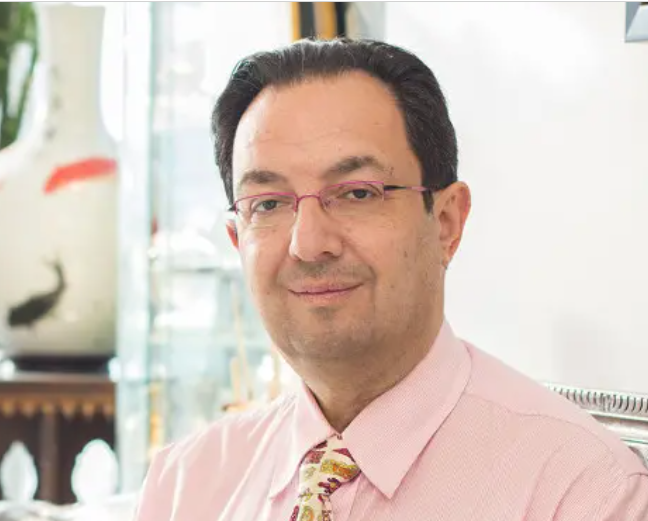
שתערוכות שנשארות בזיכרון בגלל מה שרואים בהן ויש כאלה שנשארות בגלל מה שמרגישים. התערוכה של המעצב הירושלמי דויד זילברמן שייכת ללא ספק לסוג השני. כבר מהכניסה היה ברור שמדובר בחוויה עדינה, מדויקת, כזו שלא מנסה להרשים בכוח אלא מזמינה להאט ולהתבונן.
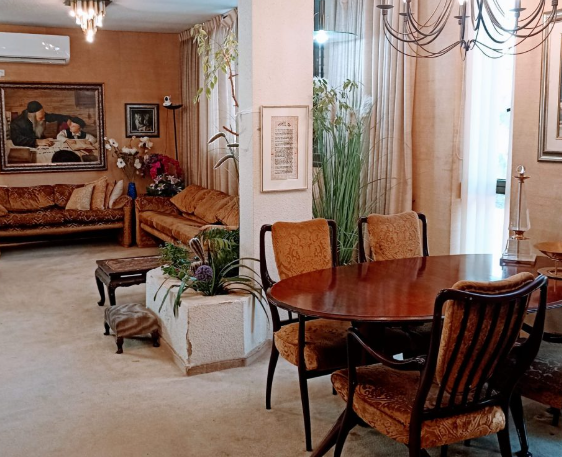
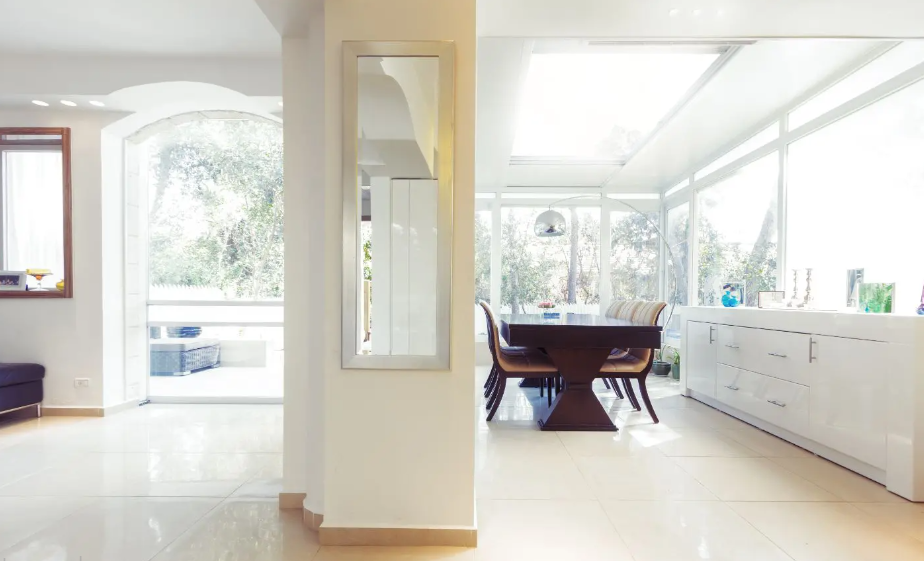
לאחרונה ביקרתי בתערוכה הזו, ואני מוצאת את עצמי חוזרת אליה גם ימים אחרי. זו לא הייתה תערוכה שמציגה “פרויקטים”, אלא מרחבים שמספרים סיפור. המעבר בין האזורים היה כמעט בלתי מורגש חלל נפתח לחלל, אור משתנה בעדינות, ואובייקטים קטנים משנים את כל התחושה.
היו רגעים שבהם עצרתי מול קיר זמן ארוך מהרגיל, מנסה להבין מה מייצר את אותה תחושת שלמות. רק לאחר מכן הבנתי שזה אינו אלמנט אחד, אלא מערכת שלמה של החלטות: המרחק בין עבודות, סוג המסגור, האיזון בין חומרים, והדרך שבה האור נוגע בהם.
מה שהיה מרשים במיוחד הוא השקט. לא שקט של ריק, אלא שקט של ביטחון. שום דבר לא צועק, שום דבר לא מתאמץ לבלוט ובדיוק בגלל זה כל פרט מקבל נוכחות. האמנות, הרהיטים והחלל עצמו מתקיימים יחד, לא כתחרות אלא כדיאלוג.
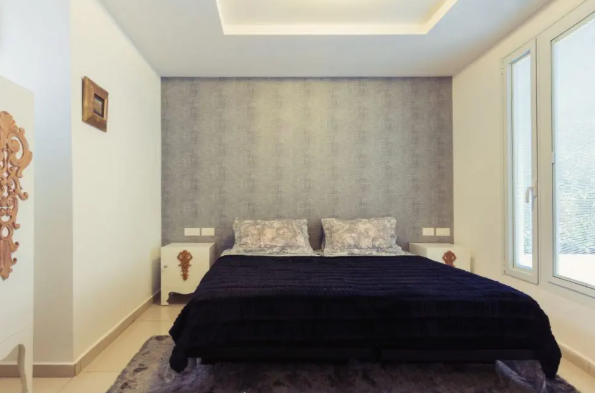
באחד החללים הקטנים יותר הורגש שינוי ברור בקצב. האור היה רך יותר, התחושה אינטימית יותר, והשהייה בו הייתה כמעט טבעית. שם הבנתי עד כמה עיצוב הוא לא רק עניין של עין אלא של גוף, של תנועה, של חוויה.
התערוכה לא ניסתה להסביר את עצמה. היא לא נתנה תשובות חד משמעיות אלא השאירה מקום להרגשה. אולי בגלל זה היא נשארה איתי.
**דויד זילברמן בין ירושלים לפריז, בין מסורת לעיצוב עילי**
מתוך החוויה הזו, השפה של זילברמן מתבהרת. זהו עיצוב שלא מתחיל מצורה, אלא מזיכרון, מתרבות, מתנועה בין עולמות.
מאז תחילת שנות התשעים הוא פועל בירושלים, אך עבודותיו נעות בין מקומות וזמנים. המפגש בין ירושלים לפריז אינו מוצג כהצהרה, אלא כרובד עדין בבחירות חומר, באובייקטים, בתחושת עומק שקטה.
הוא נע בין סקאלות שונות באותה רגישות: בחללים גדולים איזון, קצב ונשימה; ובחללים קטנים דיוק אינטימי, תשומת לב לאור ולפרופורציות.
בסופו של דבר, נדמה שהמפתח לעבודתו הוא הקשבה לא רק ללקוח, אלא גם לחלל עצמו.
אולי זו הסיבה שהתערוכה לא הרגישה כמו תצוגה, אלא כמו הזמנה לראות אחרת את המקומות שבהם אנחנו חיים.

English
Some exhibitions stay with you because of what you see — and some because of what you feel. The exhibition by Jerusalem-based designer David Zylbermann clearly belongs to the latter. From the very entrance, it was evident that this was a refined, thoughtful experience — one that doesn’t try to impress loudly, but invites you to slow down and observe.
I recently visited the exhibition, and I find myself returning to it days later. It didn’t present “projects,” but rather spaces that tell a story. The transitions between areas were almost seamless — one space unfolding into another, light shifting gently, small objects redefining the atmosphere.
From this experience, Zylbermann’s language becomes clearer. His work doesn’t begin with form, but with memory, culture, and movement between worlds.
There were moments when I stood in front of a wall longer than expected, trying to understand what created that sense of completeness. Only later did I realize it wasn’t a single element, but a system of decisions: spacing, framing, material balance, and the way light touches each surface.
What stood out most was the quiet confidence. Nothing demanded attention, nothing tried to dominate — and precisely because of that, every detail held presence. Art, furniture, and space existed in dialogue rather than competition.
In one of the smaller rooms, the pace shifted. The light softened, the atmosphere became more intimate, and the space encouraged stillness. It was there I understood how design is not only visual, but physical — shaping movement and experience.
The exhibition didn’t attempt to explain itself. It didn’t offer clear answers — it left space for feeling. Perhaps that is why it stayed with me.
**David Zylbermann – Between Jerusalem and Paris, Between Tradition and Refined Design**
Since the early 1990s, he has worked in Jerusalem, yet his projects move across places and times. The meeting between Jerusalem and Paris is not declared, but quietly present — in materials, in objects, in a subtle sense of depth.
He moves between scales with the same sensitivity: in larger spaces — balance and rhythm; in smaller ones — intimate precision and attention to light.
Ultimately, his work seems rooted in listening — not only to the client, but to the space itself.
Perhaps that is why the exhibition didn’t feel like a presentation, but like an invitation — to see the spaces we live in differently.
—
##

Français
Certaines expositions restent en mémoire pour ce que l’on voit — d’autres pour ce que l’on ressent. L’exposition du designer jerusalémite David Zylbermann appartient clairement à cette seconde catégorie. Dès l’entrée, on comprend qu’il s’agit d’une expérience subtile et précise, qui n’essaie pas d’impressionner, mais invite à ralentir et à observer.
J’ai récemment visité cette exposition, et je m’y retrouve encore, plusieurs jours après. Elle ne présente pas simplement des « projets », mais des espaces qui racontent une histoire. Les transitions entre les lieux sont כמעט imperceptibles — un espace s’ouvre sur un autre, la lumière évolue doucement, et de petits objets transforment la perception.
Je me suis surprise à rester longtemps devant certains murs, cherchant à comprendre ce qui créait cette sensation d’équilibre. Puis j’ai compris qu’il ne s’agissait pas d’un élément unique, mais d’un ensemble de décisions : les distances, les cadres, les matières, la lumière.
Ce qui m’a particulièrement marquée, c’est cette forme de calme assuré. Rien ne cherche à dominer — et pourtant tout est présent. Les œuvres, le mobilier et l’espace dialoguent.
Dans un espace plus intime, le rythme change. La lumière devient plus douce, l’atmosphère plus chaleureuse, et l’on a envie de rester. C’est là que j’ai compris que le design n’est pas seulement visuel, mais aussi physique.
L’exposition ne cherche pas à expliquer — elle laisse ressentir. Et c’est אולי pour cela qu’elle reste.
**David Zylbermann – Entre Jérusalem et Paris, entre tradition et design raffiné**
À partir de cette expérience, son langage devient plus lisible. Il ne commence pas par la forme, mais par la mémoire et la culture.
Depuis les années 1990, il travaille à Jérusalem, mais ses projets traversent les lieux et les époques. La rencontre entre Jérusalem et Paris est subtile, présente dans les matériaux et les objets.
Il navigue entre différentes échelles avec sensibilité — équilibre dans les grands espaces, précision dans les plus petits.
Au fond, son travail repose sur l’écoute — du client, mais aussi de l’espace lui-même.
Peut-être est-ce pour cela que cette exposition n’était pas seulement à voir, mais à ressentir.
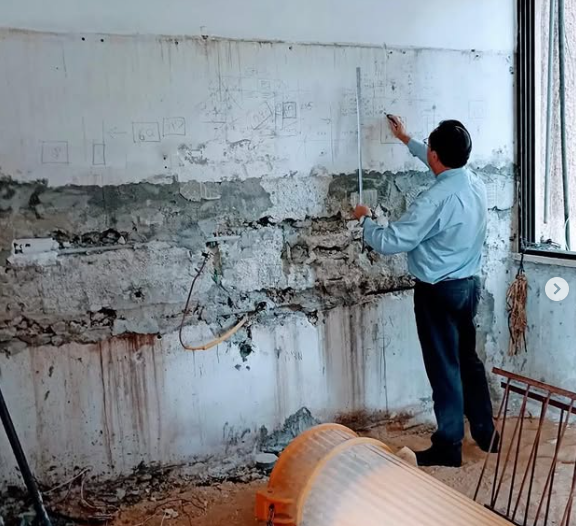
היכולת שלו לדמיין יחד עם הלקוח את הבית העתידי, ואז לפרק את הדמיון הזה לשכבות של חומרים, צבעים, פרופורציות ותאורה, היא לב הייחוד המקצועי שלו.
זהות שמורגשת בכל פרט
העיצובים של זילברמן אינם נכנעים לטרנד חולף. הם מספרים סיפור. לעיתים זה סיפור של משפחה המבקשת בית ירושלמי שורשי עם ניחוח אירופי. לעיתים זה סיפור של זוג צעיר המחפש שילוב בין מודרניות נקייה לבין חמימות מסורתית. בכל מקרה, הזהות נוכחת.
במבט רחב יותר, עבודתו של דויד זילברמן מדגימה כיצד אדריכלות ועיצוב פנים יכולים להיות הרבה מעבר לפונקציה. הם יכולים להיות ביטוי תרבותי, גשר בין עולמות וזמן, ומרחב שמאפשר לאדם להרגיש בבית לא רק פיזית, אלא גם רגשית ורוחנית.
בין סמטאות ירושלים לרוח הפריזאית, בין עתיק לחדש, מתהווה חתימה ייחודית שממשיכה להתפתח כבר למעלה משלושים שנה